
The Brand That Becomes You

Updated: Nov 24, 2025

What starts as design ends as identity. Sometimes, the brand isn’t just yours, it becomes you.
The Brand That Becomes You
Spend enough time designing a brand and it starts designing you back. The fonts you once selected with strategy now echo in your tone. The palette finds its way into your wardrobe. You begin to think in the rhythm of the brand, its restraint, its boldness, its optimism, until you catch yourself behaving like your own logo.
This isn’t coincidence. It’s osmosis. Every brand carries an emotional frequency, and immersion in that frequency alters the designer, the founder, and everyone orbiting the work.
When the Work Starts to Stare Back
At first, a brand is clay, you shape, edit, and polish it into form. But somewhere between iteration 12 and final approval, the clay hardens, and you realize you’ve left fingerprints all over it. You also realize it has left some on you.
A confident visual system slowly teaches you to stand taller in meetings. A soft, nurturing color palette trains you to speak slower, with more empathy. The aesthetic you birth begins coaching your behavior, reminding you who you promised to be when you built it.
That’s the quiet reciprocity of creative energy: what you pour into design always reconfigures something in you.
The Psychology of Transfer
Humans are mimetic creatures; we mirror what we repeat. Artists adopt the mood of their medium, photographers absorb the stillness of framing, and brand creators internalize the voice they write for.
Spending months inside a brand system rewires your cognitive shortcuts:
You anticipate decisions through that brand’s logic.
You start recognizing beauty or dissonance by its standards, not your own.
You even borrow its temperament, the calm minimalism of a spa brand, the charged optimism of a tech startup, the unfiltered edge of a streetwear label.
It’s no different from an actor staying in character after filming wraps. Except in design, the role never fully ends, the brand keeps evolving, and you keep evolving with it.
The Designer’s Mirror

Every creative leaves an emotional residue on their projects. The trick is remembering that residue doesn’t belong everywhere in your life.
When you live too long inside one visual language, you risk losing your own. I’ve seen designers whose personal style dissolved into the brand they served. Their typography habits became personality traits; their social captions, near-perfect echoes of the client’s voice.
It’s admirable dedication — until you realize you’ve traded authenticity for alignment. True mastery is knowing where to build the bridge and where to draw the border.
Energy Management Is Creative Hygiene
We don’t talk enough about energetic hygiene in design, the discipline of returning to yourself after serving another brand’s vision.
Before you open Figma, Photoshop, or the deck template, check your vibration. Ask:
“Am I designing from my essence or from yesterday’s client residue?”
If you don’t reset, you bring someone else’s color palette into your next project. It’s how visual repetition becomes creative stagnation.
Take breaks that are sensory, not digital: sketch with your hands, cook, travel, or sit in silence long enough for your own aesthetic voice to re-emerge.
Founders Feel It Too
This isn’t just a designer’s phenomenon. Founders, marketers, and even consumers experience brand reciprocity. When you live inside a consistent message, it subtly programs your self-perception.
A founder building a luxury brand learns posture, diction, and calm because her clientele expects it. A sustainable brand founder becomes an environmental evangelist because his narrative demands authenticity.
That’s not performance, it’s neural alignment. Behavior follows story. When your public identity sharpens, your private one begins to evolve to sustain it.
The Beauty of Mutual Creation
The healthiest designer–brand relationships are symbiotic, not parasitic. The brand gains direction; the designer gains dimension.
You refine your sense of composition, rhythm, and empathy. The brand refines its voice, focus, and coherence. The exchange is complete only when both emerge transformed but distinct.
That distinction matters. Because while you can become the brand, the goal is to eventually outgrow it, to take the lessons, not the costume.
What the Brand Leaves Behind
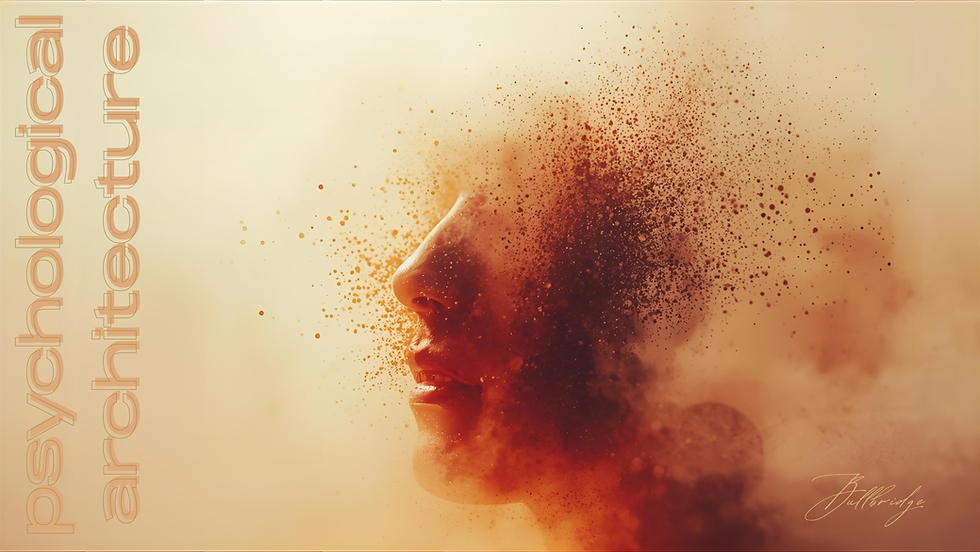
Every project leaves behind a faint ghost, a way of seeing the world that lingers. You can measure your creative evolution not by portfolios, but by the people those brands turned you into.
Each logo taught you something about restraint. Each website taught you patience. Each rebrand taught you how fragile human identity really is.
We don’t just create visual systems; we participate in small acts of psychological architecture. And if we’re lucky, those architectures build better versions of us in return.
Closing thought
You think you’re building a brand. But a brand is really a mirror, it reflects your discipline, your taste, your confidence, your chaos. The more intentional you are about what you build, the more clearly it will show you who you’ve become.
In design, nothing is one-way. Creation is always conversation. Start talking.


Comments